

Home > Beef Aging & Processing
Aged Right. Cut to Order.
Every Taylor Beef Company order is professionally aged and processed before it reaches your freezer. Here is what that means for the beef you receive.
Taylor Beef Company Is a Family-Owned, Direct-to-Consumer Beef Operation in Miles City, Montana, Offering Custom Beef Aging, Cutting, and Vacuum Packaging for Whole, Half, and Quarter Beef Orders.
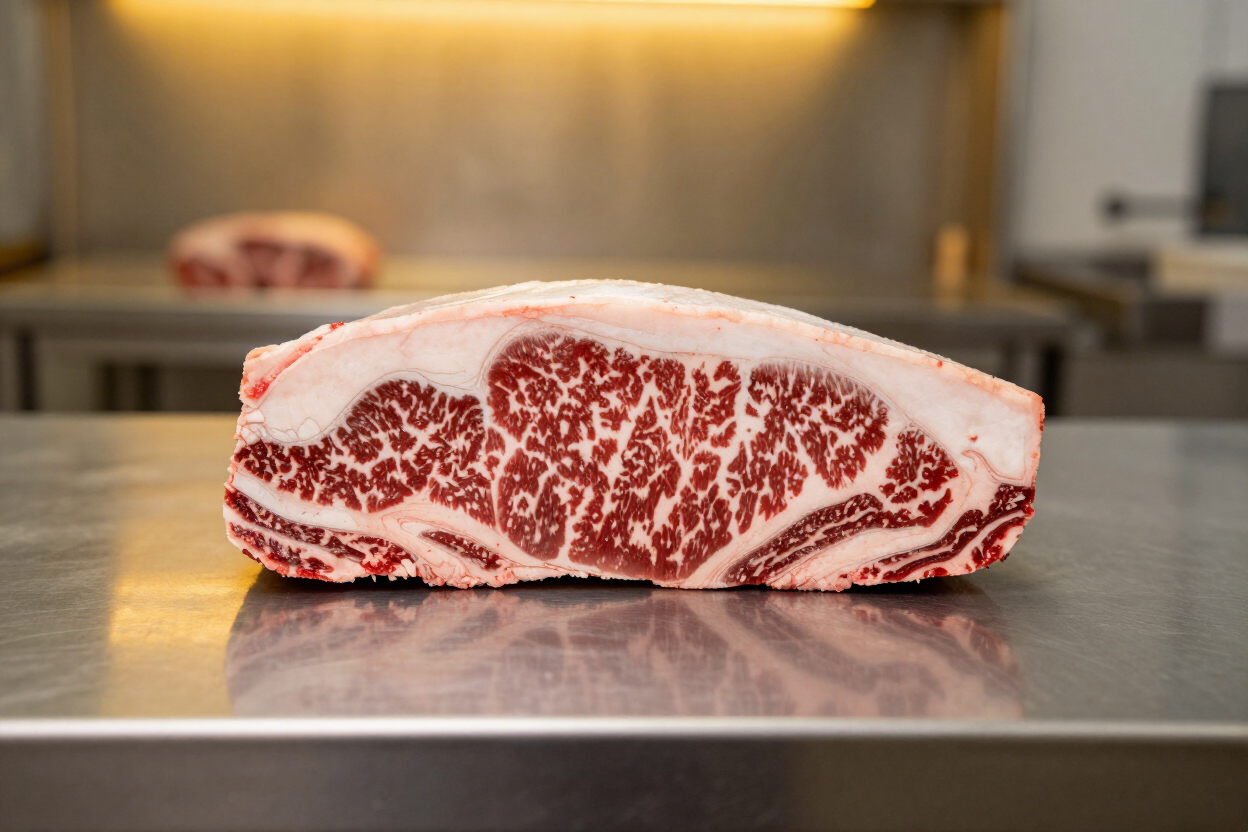
Beef aging allows natural enzymes to break down muscle fibers, improving tenderness and deepening flavor before the animal is cut. At Taylor Beef Company in Miles City, Montana, every order is aged to the appropriate standard before custom cutting begins — so the beef that reaches your freezer is ready to cook and worth every pound.
Proper Aging Is Where Good Beef Becomes Great Beef
When you order bulk beef, you're making a real investment. You're putting a significant amount of money and freezer space on the line. If that beef wasn't aged correctly—or at all—you won't know until you're standing at the stove. What you'll notice: tougher cuts that don't break down the way they should, flavor that falls flat, and less value from every pound you paid for. After processing Montana cattle for three generations, we've found that proper aging is where most of the difference between good beef and great beef is made.
Aging works because natural enzymes already present in the muscle begin breaking down connective fibers once the animal is harvested. That breakdown makes the meat more tender. As moisture redistributes through the tissue during aging, flavor compounds concentrate—so the beef you cook has more depth than it would have straight from processing. This takes time, controlled conditions, and professional judgment. Rushing it or skipping it entirely produces an inferior product—simple as that. At Taylor Beef Company in Miles City, Montana, aging is part of every order — it is not an upgrade or an add-on.
Every Order Runs Through an Inspected Facility
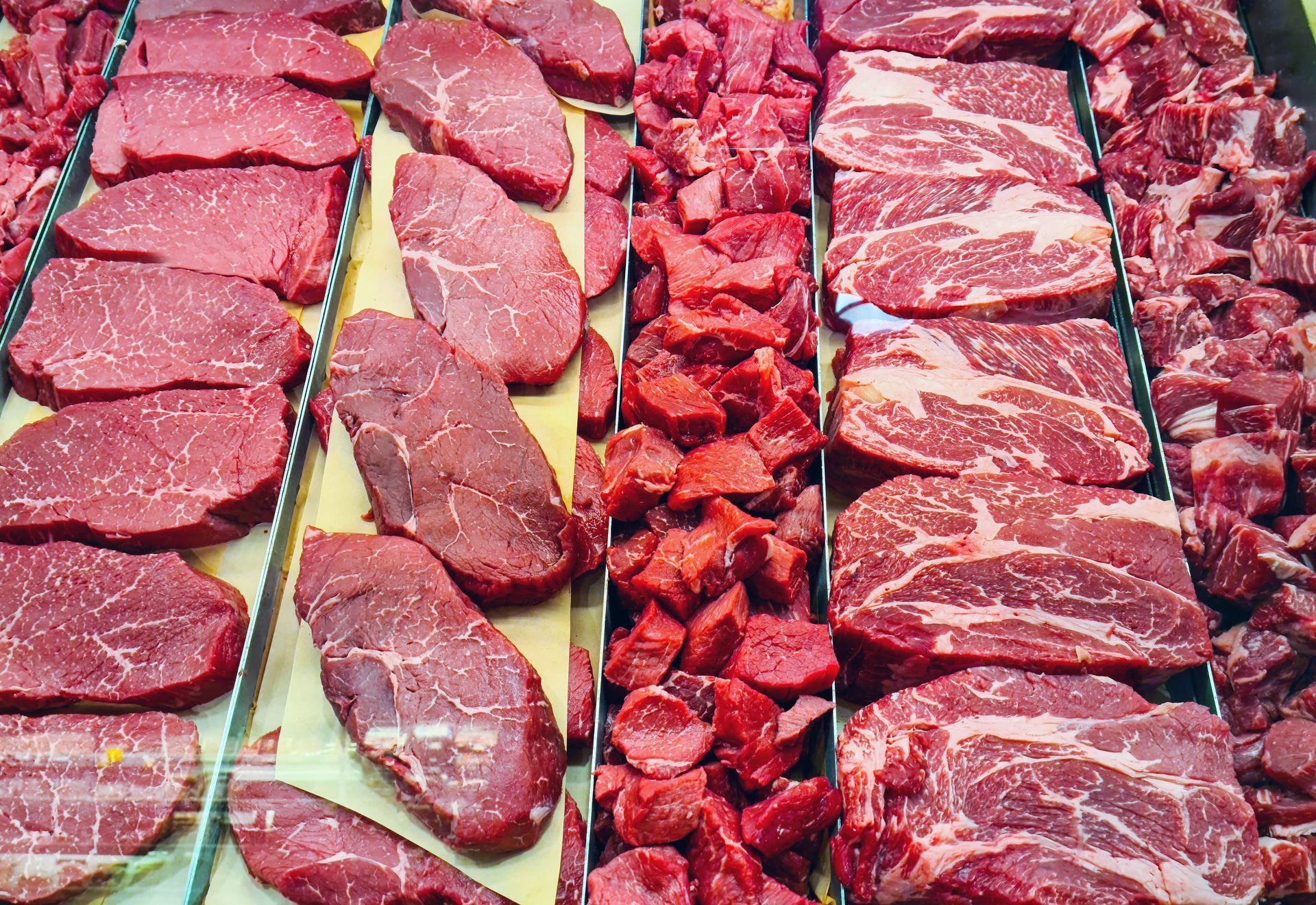
USDA and Montana state-inspected processing means a government-certified inspector is present at the facility and verifies the animal and the process meet federal or state food safety standards before and during processing. That's not a formality — it's a documented chain of oversight. When you order from us, you don't have to guess whether the processing met a recognized food safety standard. It did. An inspector confirmed it. We don't use uninspected facilities, and we don't cut corners on this step because the buyer's confidence in their order depends on it.
The alternative is real and worth understanding. Some beef goes directly from a rancher to an unlicensed cutter without USDA or state inspection oversight. The result: no inspector sign-off, no chain of custody documentation, and in many states, legal restrictions on what you can do with that beef—including resale and gifting. We use inspected facilities because it is the standard every order deserves, not because it is the minimum required.
Vacuum Sealed and Labeled Before It Leaves Our Hands
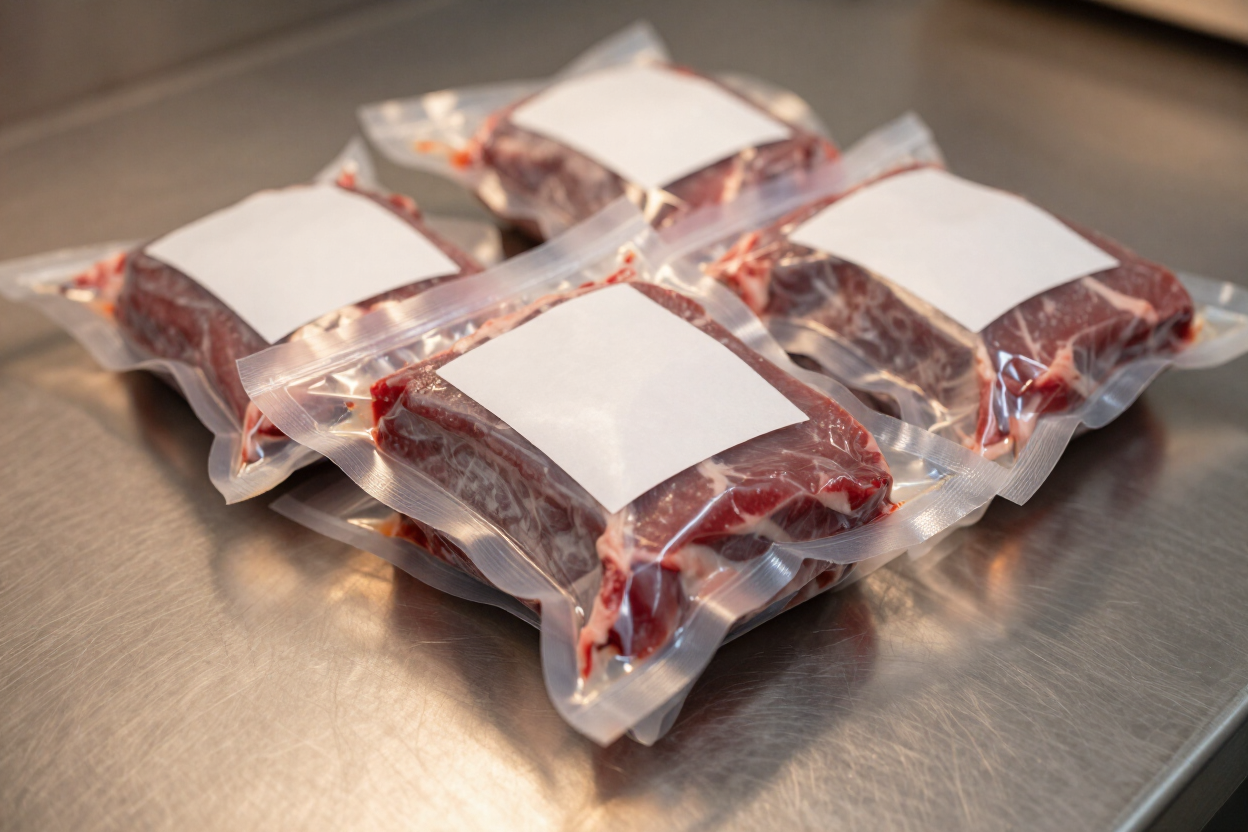
Vacuum sealing means the packaging process removes air from around the meat and heat-seals the bag. That matters because air is what causes freezer burn and oxidation — the two main reasons bulk beef loses quality before it's cooked. Vacuum-sealed packaging significantly extends freezer life compared to butcher paper or unsealed bags. From the moment processing ends, your beef is protected. By the time it reaches your freezer, it hasn't been sitting exposed to air, temperature swings, or handling that degrades the cut. That protection started at the facility, not at your door.
Every package we send out is labeled with the cut name and weight. You'll know exactly what's in your freezer without unwrapping anything to check. That matters every time you open the freezer door—whether you're planning a weeknight dinner or working through a quarter of beef over several months. The label reflects the cuts you specified during the ordering process, not a generic template.
Your Beef, Aged and Cut to Order.
When you're ready to reserve a whole, half, or quarter beef share, reach out directly. We'll walk through the process and confirm current availability.


